How Play Therapy Works
Play therapy is a holistic, integrative approach, recognised by PTUK, which supports children’s emotional wellbeing through play and creative expression.
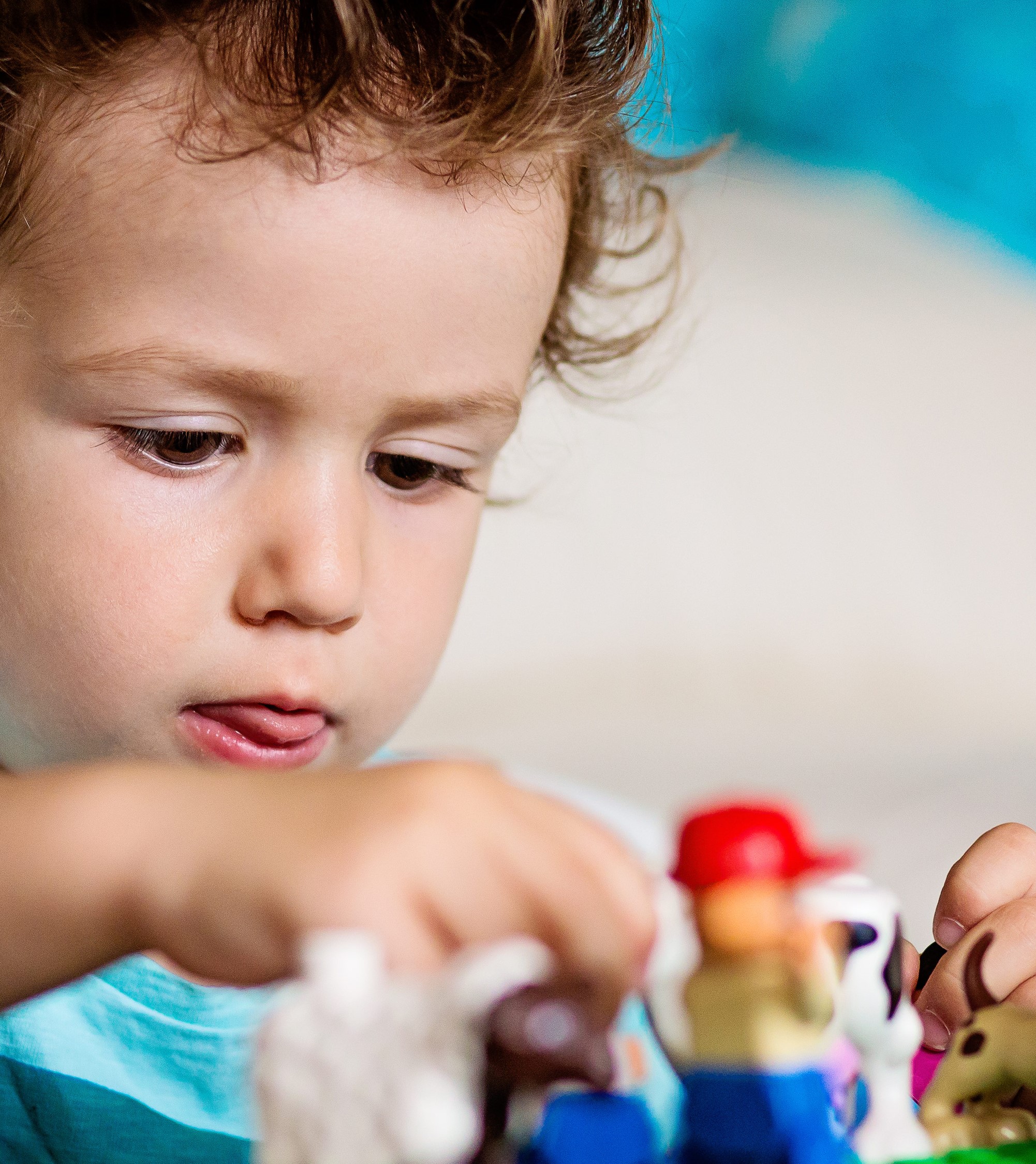
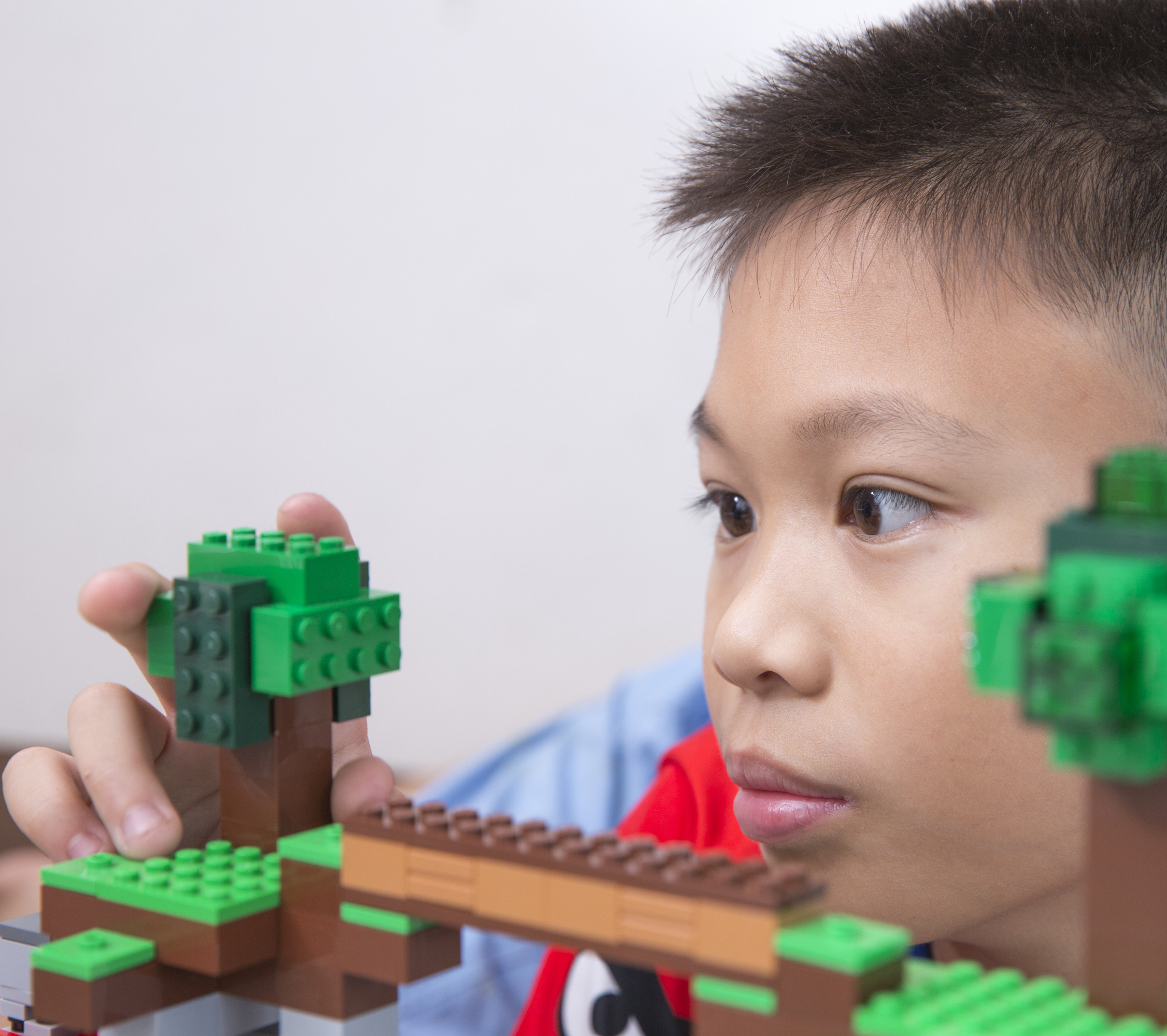
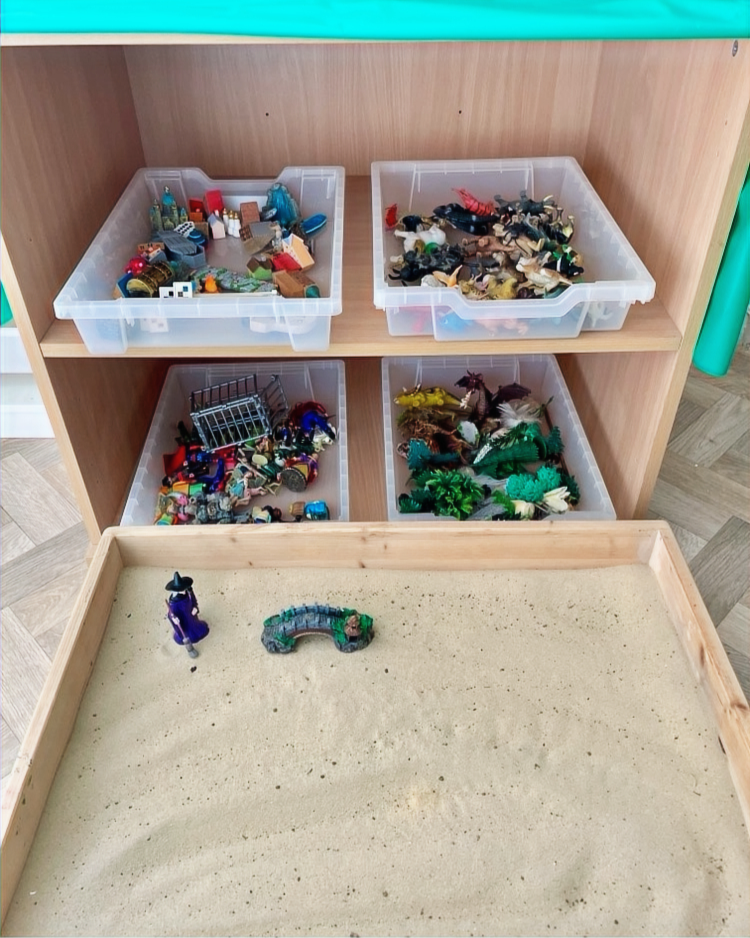
Children are offered a consistent, safe space with a range of carefully chosen toys and creative materials. Through their play, they may use stories, imagination, and symbolic play to express thoughts and feelings that can be difficult to put into words. The therapist gently supports this process, helping children to make sense of their experiences at their own pace.
Over time, this can help children to process difficult feelings, build emotional resilience, and develop a stronger sense of self.
Who Play Therapy Can Help
Play therapy can support children aged 4 to 12 yrs who are experiencing:
-
Anxiety, worries, or low confidence
-
Big emotions such as anger, frustration, or distress
-
Difficulties with friendships or feeling socially excluded
-
Challenges at school, including attendance or engagement
-
Changes at home, such as separation or family difficulties
-
Bereavement or loss
-
Being bullied or struggling with relationships
-
Communication or developmental differences
-
Autism or Attention Deficit Hyperactivity Disorder, where emotional support and self-expression may be helpful
-
Trauma or difficult life experiences
-
Nightmares or sleep-related worries
-
Feeling withdrawn or finding it hard to express themselves

What To Expect
Play therapy works best when children have time to build trust and feel safe within the space. For this reason, sessions are usually offered on a weekly basis.
Each session lasts around 40 minutes. While every child is different, a minimum of around 12 sessions is often recommended, with many children benefiting from a longer period of support (typically around 20 sessions or more).
This allows time for children to settle, explore their feelings, and begin to make sense of their experiences at their own pace.
Play therapy sessions are confidential to the child, helping to create a safe and trusting environment. The only exception to this is if there is a safeguarding concern, in which case appropriate steps will be taken to ensure the child's safety and wellbeing.
Please note: Sessions are generally offered during school term time and do not usually take place during school holidays unless agreed in advance.